The Bicheno Blowhole: A Local’s Guide
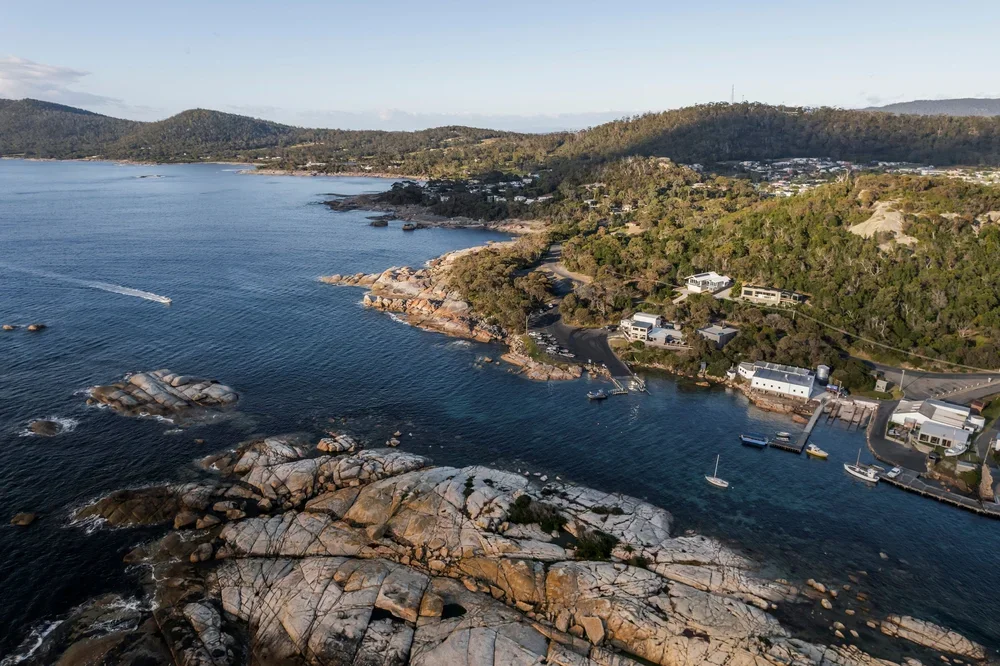
The Bicheno Blowhole is a stunning natural landmark on Tasmania’s east coast. It attracts visitors with its beauty and unpredictable nature.
Smooth granite boulders have been shaped over thousands of years. They surround a hollow under the rocks. Here, ocean pressure builds up. Eventually, it bursts upward in a plume of white spray.
Some days the eruptions are gentle. Other days, the blowhole sends water high into the air, catching the sunlight and misting everything around it. Locals know its moods well and often say that no two moments here are ever the same.
Whether you are visiting Bicheno for the first time or returning to this familiar coastline, the blowhole is one of those places you will remember long after you leave.
Where the Bicheno Blowhole Is Located
The blowhole is located at the southern end of Bicheno’s coastal Esplanade.
From Cooinda on the Beach, it is extremely close — just a 17-minute walk through town or a quick 3-minute drive.
Travel times from Tasmania’s major centres are:
Launceston: 159 km (around 2 hours)
Hobart: 177 km (around 2.5 hours)
Devonport: 240 km (around 3 hours)
This makes Bicheno an ideal base for exploring the coast, including the Bay of Fires, Douglas Apsley National Park, and Freycinet National Park.
Bicheno itself is a peaceful fishing village known for its fresh seafood, diving, friendly bakeries and relaxed local lifestyle. The blowhole remains one of its most loved natural features.
How the Bicheno Blowhole Formed
Tasmania is famous for its dolerite landscapes, but the blowhole is carved into granite, a stone that has been weathered and polished by the sea for thousands of years.
Over time, waves hollowed out a sea cave beneath the rock shelf. As the ocean surged into the chamber, the pressure eventually found a weak point in the granite ceiling, causing a vertical opening. This allows trapped water to erupt upward in a geyser-like burst every time the swell hits.
The height and shape of these eruptions change constantly depending on swell direction, tide and wind.
Even on calm days, the blowhole can surprise you with sudden force.
What the Locals Say
Residents who know this coastline well often share insights like these.
“It is never the same twice.”
The blowhole responds to every shift in tide and swell. On some days it mistily sprays. On others it launches water metres into the air.
“Go at sunrise if you want the best light.”
The morning sun paints the granite in shades of pink and gold. The experience is peaceful and often shared with only a handful of early risers.
“Winter is incredible.”
When the ocean energy lifts in winter, the blowhole becomes far more dramatic. Locals enjoy storm watching here.
“Watch your footing.”
The granite can be smooth and slippery after rain or strong seas. Staying back from the edge is always a good idea.
“Look out to sea — whales can appear without warning.”
This vantage point offers an excellent view of whales during migration and occasional pods of dolphins.
“It’s where we take visitors first.”
Many locals say the blowhole is the perfect introduction to life on the east coast.
How to Experience the Blowhole Like a Local
Check the swell report
High east or northeast swells usually create the most impressive eruptions.
Walk a little beyond the main viewing area
The rock platforms extend along the coast, offering quieter, more photogenic angles of the rising water.
Bring a picnic or a coffee
The warm granite slabs make a natural seating area. Many locals pause here before heading to nearby beaches.
Expect to get wet
Spray is part of the experience if you stand close. Bring a jacket if you want to stay dry, or embrace the cool mist on warm summer days.
Visit at different times of day
Sunrise feels serene, midday is bright and energetic, and late afternoons are golden. Each time offers a different atmosphere.
What Makes This Part of the Coast Special
The blowhole sits between Rice Beach and Waubs Beach, both known for their white sand and calm bays. A short drive leads you to some of Tasmania’s most striking landscapes, including the Bay of Fires and stretches of coastline shaped over thousands of years.
Nearby attractions such as Douglas Apsley National Park and Freycinet National Park make this region ideal for walking, swimming and wildlife watching.
Safety Tips
Never turn your back on the ocean
Keep a safe distance from the opening
Wear shoes with grip
Avoid stepping on wet or darkened rocks
Supervise children closely
Stay Close to the Blowhole at Cooinda on the Beach
Cooinda on the Beach is perfectly positioned for exploring the blowhole and the coastline that surrounds it. Only a short walk or a three-minute drive away, it offers a peaceful, private retreat after a day by the sea.
Guests often visit the blowhole at sunrise, wander Bicheno’s beaches through the day and return to Cooinda to relax with ocean views in the evening. It is the ideal way to experience the east coast at your own pace.